Independent UK solar pricing
What does solar really cost in the UK?
No ads, no affiliate links, no installer pays to appear — just real, sourced UK solar prices, refreshed monthly.
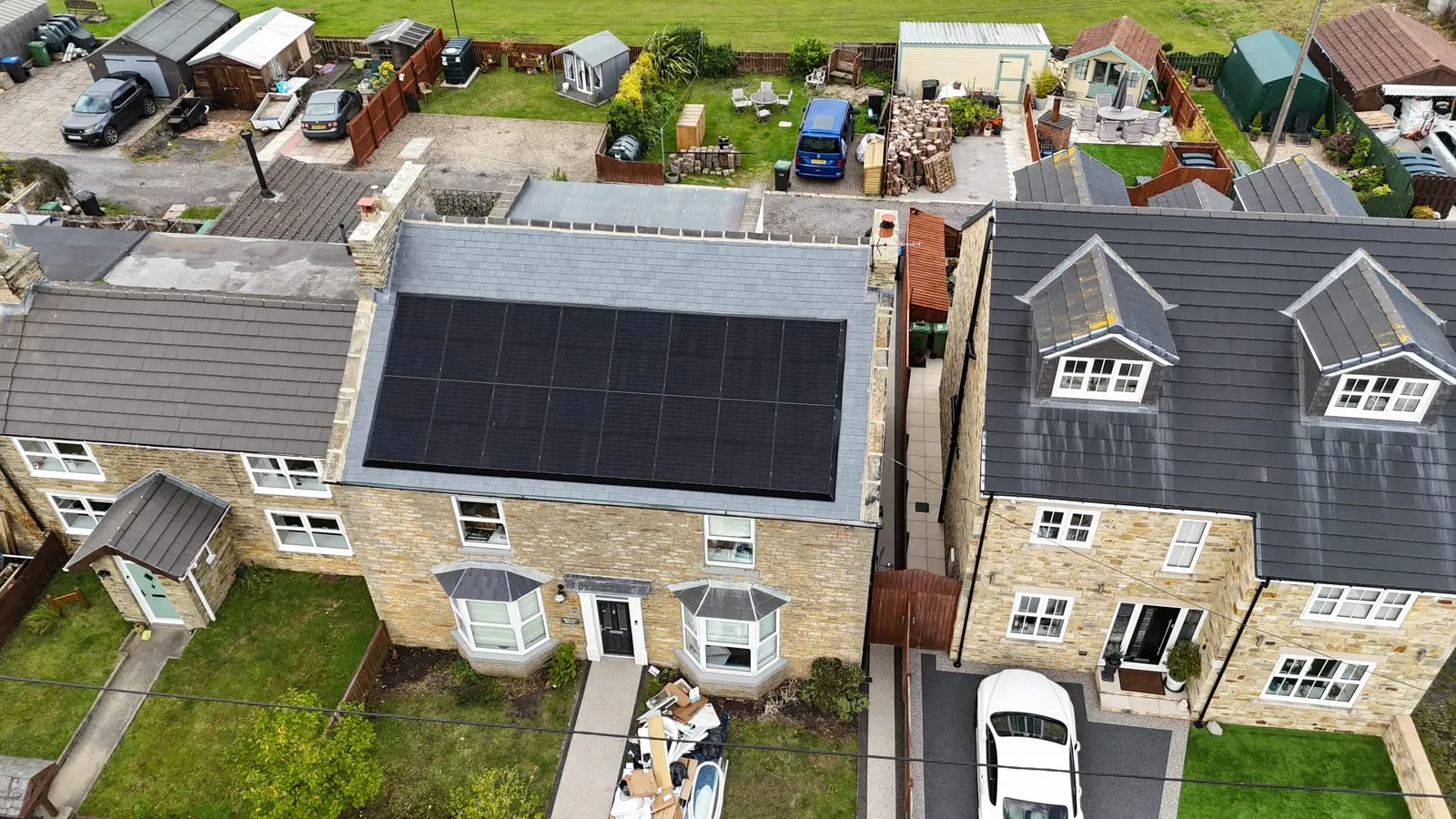
Photo: Premier Electrical Renewables
The short answer — priced June 2026
A typical 4kW home system costs about £6,000–£8,000 installed, at 0% VAT. It pays back in roughly 8–12 years.
Below: real prices by system size, what's in the price, and a free calculator that uses your own numbers — with every figure sourced and dated.
Most UK solar guides are run by companies that want to sell you an installation, an affiliate referral, or your contact details. We don't. The Cost of Solar takes no money from installers and carries no affiliate links — so the numbers here are the numbers, sourced from public datasets (0% VAT applies on residential solar until 31 March 2027) and refreshed monthly. Regional pricing varies too — this 2026 guide to solar panel costs in Wiltshire shows how location changes the number.
Solar panel cost by system size
The single biggest driver of price is system size, measured in kilowatts (kW). Bigger systems cost more outright but less per kW. These are typical installed UK prices, panels only (no battery):
| System | Low | Typical | High |
|---|---|---|---|
| 3kW | £5,000 | £5,500 | £6,500 |
| 4kW | £6,000 | £7,000 | £8,000 |
| 6kW | £9,000 | £10,000 | £11,500 |
| 10kW | £13,000 | £15,000 | £17,000 |
A 4kW system is the UK average for a 2–3 bedroom home — about 10 panels generating ~3,400 kWh a year. See the full cost-by-size breakdown →
Where the money actually goes
On a typical 4kW install, the panels themselves are under half the price. The rest is the inverter, mounting and scaffolding, certified labour, and MCS paperwork:
| Component | Cost | Share |
|---|---|---|
| Panels | £3,200 | 46% |
| Inverter | £900 | 13% |
| Mounting & scaffolding | £800 | 11% |
| Installation labour | £1,300 | 19% |
| Certification & admin | £800 | 11% |
Work out your own cost and payback
Free, instant, no email required.
Open the solar cost calculator →Start with the right question
- How much do solar panels cost? — full breakdown by size, region and component.
- What's the payback period? — how long until solar pays for itself.
- Are solar panels worth it? — honest numbers, and who shouldn't buy.
- How much does a battery cost? — storage prices by brand and £/kWh.
- Cost by property type — terrace, semi, detached, bungalow or new build.
- Commercial solar costs — pricing for business and property.
- Grants & the 0% VAT rule — what help is actually available.
- The UK Solar Price Index — our free, citable benchmark of installed prices, downloadable as CSV.
If you are pricing up a system in the East Midlands, MCS-certified solar panel installers in Leicester can quote against these benchmarks. The real cost of a commercial system falls once you factor in capital allowances on solar panels, and readers comparing rooftop and carport options often move on to Commercial Solar Canopy.
Frequently asked questions
How much do solar panels cost in the UK in 2026?
A typical 4kW home system (about 10 panels) costs roughly £6,000–£8,000 installed, with 0% VAT until 31 March 2027. Smaller 3kW systems start near £5,000 and larger 10kW systems reach £13,000–£17,000.
Is there a grant for solar panels in the UK?
There is no universal grant for home solar in England. The main saving is 0% VAT. Means-tested schemes such as ECO4 / Warm Homes help low-income, low-EPC households; Home Energy Scotland offers interest-free loans.
How long do solar panels take to pay for themselves?
Most UK home systems pay back in about 8–12 years on panels alone, depending on your electricity use, tariff and region. Use our free calculator for your own figures.
Do you sell solar panels or take a commission?
No. The Cost of Solar carries no ads and no affiliate links, and no installer pays to appear. We make money by being trusted, not by selling your details.
Sources
Domestic pricing tells you little about a 250kWp roof — for that, the breakdown of commercial solar cost per kWp by system size is the more useful reference.