If your solar panels went in around 2015-2016 to catch the last decent Feed-in Tariff rates, there’s a good chance your inverter is now on borrowed time. String inverters typically last 10-15 years, which means a wave of FiT-era systems across the UK are heading into replacement territory at exactly the same time — and the bill for that one job is the single biggest maintenance cost a solar owner will face across the panels’ 25-30 year lifespan.
This is the cost nobody mentions at the point of sale. Panels get all the attention because they’re the visible, glamorous part of the system, but the inverter is the component doing the hard electronic work — converting DC power from the roof into usable AC — and it’s also the one part guaranteed to wear out before the panels do. Here’s what replacement actually costs in 2026, when it’s worth upgrading rather than swapping like-for-like, and why FiT-registered owners in particular need to plan ahead rather than wait for a fault.
Why inverters fail before panels do
Modern N-type panels (TOPCon, HJT, ABC-cell) degrade at roughly 0.4% a year and are routinely warrantied for 25-30 years. Inverters are a different animal entirely. They’re solid-state electronics working continuously in a hot roof-space or garage, cycling through thermal stress every single day the sun’s up, and that duty cycle catches up with them. A well-specified string inverter from a reputable brand will typically run for 10-15 years before something fails — a capacitor degrades, a fan bearing wears out, or the whole unit simply stops communicating.
If your system was installed in 2014-2016 — prime years for the higher-tier Feed-in Tariff rates before the scheme closed to new applicants in April 2019 — your original inverter is now firmly inside that failure window. Symptoms to watch for: the display showing an error code or going blank, generation figures that have quietly dropped despite good weather, or an inverter that’s audibly louder (fan working harder) than it used to be. None of these mean the panels themselves have failed — they’re a working asset sat behind a component that’s given up.
What a like-for-like string inverter swap actually costs
For a straightforward domestic replacement — same size, same string configuration, no rewiring — expect to pay in the region of £500 to £1,000 installed, depending on system size and inverter brand. That typically covers:
- A new string inverter matched to your existing panel wattage and string layout
- Removal and safe disposal of the old unit
- Commissioning, MCS-compliant certification, and updated paperwork
Larger domestic systems (say 6kW+) or installations needing extra electrical work — a consumer unit upgrade, new isolators, or DNO notification — will sit at the higher end of that range or slightly above it. It’s a fraction of the original install cost, which is exactly why it catches people out: nobody budgets for a £500-£1,000 bill nine or ten years after they thought the spending was done.
One thing worth flagging before you book anyone: get quotes from installers who actually specialise in this kind of remedial and maintenance work rather than new-build installers only interested in whole-system jobs. Solar Maintenance Solutions is a national specialist focused purely on solar and battery servicing, fault-finding and component replacement — worth a call if your original installer has since gone out of business, which is common for panels bought in the FiT boom years.
The hybrid upgrade option — and when it’s worth the extra spend
Here’s the decision that actually matters: do you replace like-for-like, or use this forced replacement as the moment to upgrade to a hybrid inverter?
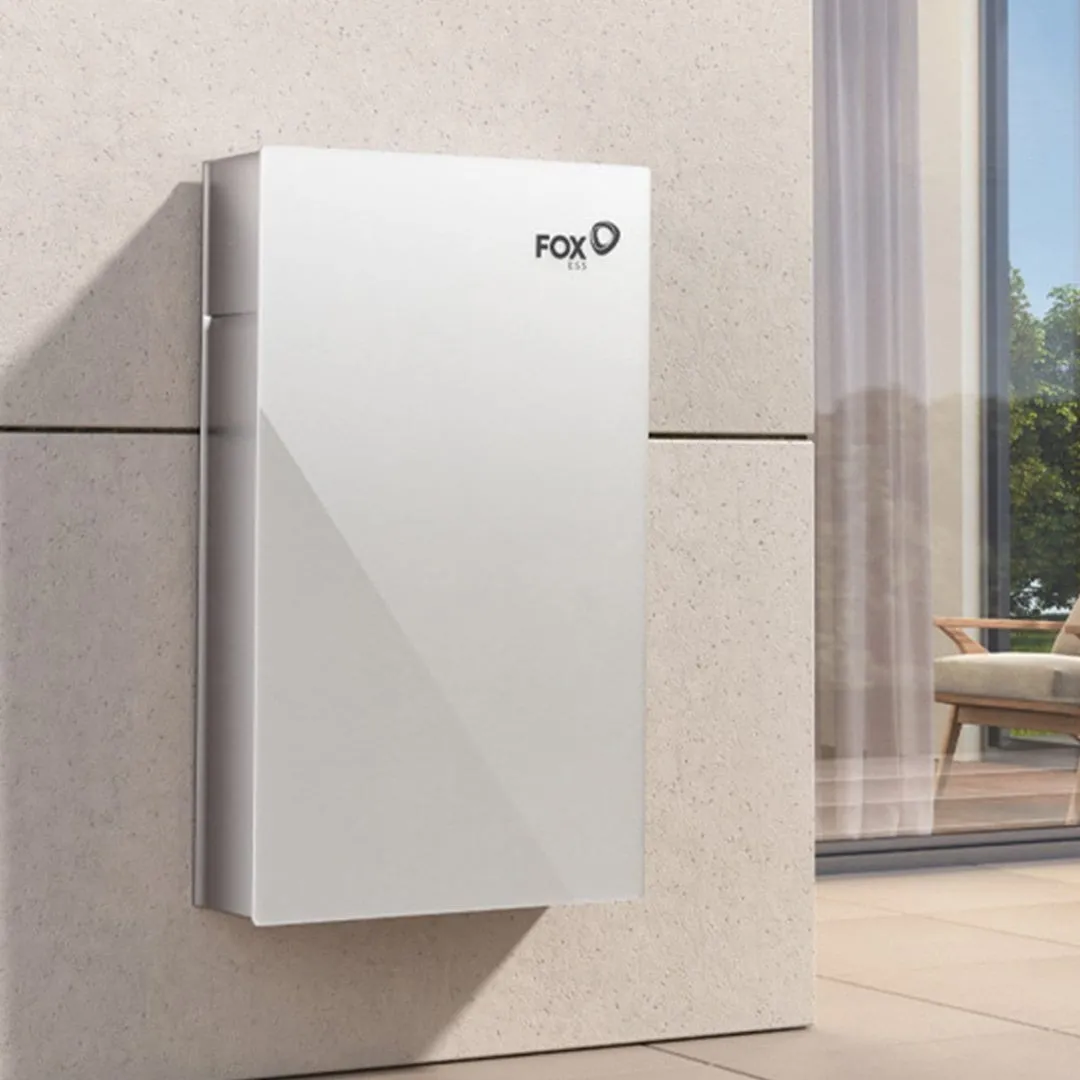
A hybrid inverter manages both your solar panels and a battery from a single unit, rather than needing a separate battery inverter bolted on afterwards. If you’re not planning to add storage, a straight string-inverter swap is the cheaper and entirely sensible choice. But if a home battery has been on your mind, replacing a dying string inverter with a hybrid unit now avoids paying for inverter capability twice.
The maths: a hybrid inverter typically costs more upfront than a basic string replacement — often an extra £500-£1,500 over the like-for-like price, depending on capacity and brand — but it means that when you do add a battery (this year, or in three years’ time), you’re not scrapping a perfectly good string inverter to make room for one with battery-management built in. Given a home battery installed today runs to roughly £4,000-£8,000 (around £400-£700 per kWh — a Tesla Powerwall 3 at 13.5kWh lands around £8,500-£10,500 fitted), the inverter is a small percentage of that total spend, so it’s worth getting right at the point you’re already having electrical work done on the roof.
Bear in mind that 0% VAT currently applies to residential solar panel and battery storage installations across Great Britain, scheduled to run until 31 March 2027 (reverting to 5% after that date). Whether a straight inverter replacement or hybrid upgrade qualifies for the zero rate depends on exactly what’s being installed and by whom — always get this confirmed in writing on your quote, because VAT treatment on remedial work isn’t always as clear-cut as on a new install.
Microinverters: the maths behind the alternative architecture
If your system uses microinverters rather than a single string inverter, the replacement economics are structurally different — and worth understanding even if you’re not currently affected, because it changes what you’d choose if you were starting again.
With a string inverter, one unit serves the whole array. It’s a single point of failure, but also a single £500-£1,000 replacement job. With microinverters, each panel (or pair of panels) has its own small inverter mounted at the module. The individual unit cost is low — often £100-£150 each — but a typical 10-12 panel domestic roof needs 10-12 of them, so the aggregate hardware cost across the array can land close to, or above, an equivalent string inverter over the system’s life, especially once you factor in the labour of accessing a roof-mounted unit rather than one sat in a garage or loft.
The trade-off that matters for long-term cost: if one microinverter fails, you lose the output of that one panel, not the whole array — a fault is far less painful in year 12 of a microinverter system than in a string system, where one blown inverter takes the whole roof offline. Manufacturers commonly warranty microinverters for 20-25 years, materially longer than the 10-15 years typical of string inverters, which shifts a chunk of the total lifetime replacement cost forward rather than eliminating it — you’re paying more per watt initially in exchange for fewer, smaller failure events later. Whether that’s worth it depends on your system size, roof access, and how much you value resilience against total generation loss versus lowest total cost. It’s a genuine trade-off, not a straightforward upgrade, and worth working through with whoever specified your original installation, or an independent installer if that company’s no longer trading.
Why FiT-era owners specifically need to move on this now
If you’re one of the roughly 800,000+ UK households still on a Feed-in Tariff agreement from the 2010-2019 boom, there’s an extra reason to treat inverter health as urgent rather than “get to it eventually”: your FiT payments are contingent on continued generation, verified either by meter reading or (for smaller systems) deemed export. A failed inverter doesn’t just cost you the self-consumption savings on your electricity bill — it can interrupt or complicate your FiT income too, and getting a lapsed system requalified can involve more paperwork than simply keeping it running never would have.
Given many original FiT-era installers have since closed, merged, or moved on from residential work entirely, tracking down someone who’ll even look at a decade-old system can be the hardest part. This is precisely the gap that maintenance-focused firms exist to fill — again, Solar Maintenance Solutions works across the UK specifically on legacy systems where the original installer is no longer contactable, handling fault diagnosis and inverter swaps without requiring you to have documentation from a company that no longer exists.
If you’re regionally based and want someone who can also handle the electrical certification and any consumer unit work alongside the inverter itself, it’s worth talking to a local installer who does both new installs and remedial work — ecoaim.co.uk covers Central Scotland from its Livingston base, Greenlinc Renewables is MCS-certified across Lincolnshire, and Hazell Electrical serves West Kent for both solar and general electrical work — all can quote on a like-for-like swap or a hybrid upgrade in the same visit, and will check your string configuration and MCS paperwork before touching anything.
Getting the sums right before you commit
Before booking a replacement, it’s worth running the actual numbers rather than assuming the cheapest quote is the right one. A few things worth checking:
- Get the string configuration confirmed, not guessed. A mismatched replacement inverter (wrong voltage window or MPPT tracker count for your string) will underperform even if it powers up fine.
- Check whether your existing panels are still under warranty — if a fault has actually damaged a panel rather than just the inverter, that’s a different (and potentially covered) conversation.
- Ask whether the quote includes updated MCS certification. You need this if you’re claiming SEG export payments, since Smart Export Guarantee eligibility runs through MCS-registered installations — a replacement done outside MCS rules can jeopardise that income stream even if the physical work is fine.
- Compare hybrid vs like-for-like against your actual battery timeline, not a hypothetical one — if a battery is more than five years off, the case for paying extra now weakens.
If you’re weighing this cost against the economics of the whole system — what you originally paid, what you’re getting back through self-consumption and export, and where the payback line now sits given an inverter replacement — our solar panel payback period guide and battery storage cost breakdown run through the full maths side by side. For a wider look at what’s driving install costs and part shortages across the UK market this year, Solar Weekly’s UK solar industry overview is a useful trade-side companion to the consumer numbers here.
If you run a commercial roof rather than a domestic one, the inverter economics scale differently again — commercial string and central inverters serve much larger arrays and a failure has proportionally bigger revenue consequences, which is why sites like Solar Panels For Warehouses and Commercial Solar Panels Installation treat inverter maintenance contracts as standard rather than optional on any system above a few hundred kW.
The bottom line
Budget £500-£1,000 for a straightforward like-for-like string inverter swap, more if you’re adding electrical work or upgrading to a hybrid unit ahead of a future battery. Don’t wait for total failure before acting — a struggling inverter costs you generation and, if you’re on a legacy FiT agreement, potentially payment continuity too. And if your original installer is long gone, that’s not a dead end: dedicated maintenance specialists exist precisely to pick up systems nobody else will touch. The panels on your roof are almost certainly good for another 15-20 years — don’t let a £500-£1,000 electronic component be the reason they stop earning their keep.